

The Marriage Act
In near-future Britain, a government marriage scheme rewards couples and monitors them relentlessly, turning love into surveillance.
Find similar books by
Combine common axes
These books are ranked using the plot structure labels extracted for The Circle Trilogy.
Plot structure labels used: interwoven storylines, cross-world causality, cliffhanger endings, continuous trilogy, escalating stakes, repeated revisit
Focused on “Multiple viewpoints” where exact label matches exist.
This does not mean the books share the same plot, setting, quality, or difficulty. It means their plot structure embeddings are close.
In near-future Britain, a government marriage scheme rewards couples and monitors them relentlessly, turning love into surveillance.

Four lives on occupied worlds collide as a hidden insurgency pushes a fragile postwar system toward new war.
Why this is here

An Inquisitor and his retinue hunt heresy, cults, and daemonic threats across a grim far-future empire.

A rare omega in a rigid dome society is claimed by a ruthless alpha while older storylines and new power struggles collide.

Three Star Trek eras collide as Kirk, Picard, and Zefram Cochrane face linked crises that could reshape the Federation.

A sorceress must escape an eldritch marriage trap by chasing her enemy through dream roads into Regency-era England.

Three investigations collide when strange impacts, radioactive gems, and Mars signals point to a hidden extraterrestrial threat.
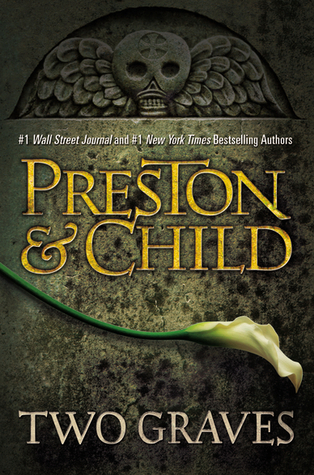
A grieving FBI agent hunts kidnappers and a hotel serial killer, uncovering a secret Nazi conspiracy tied to his family.

A glitch in a code-driven world forces time-tangled wizards to confront multiple selves, shifting memories, and fallout.
Why this is here

Dragons return to Earth as one boy races to stop a dark force that could cost a beloved life.
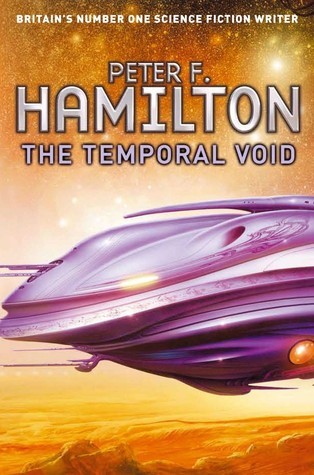
A sprawling future epic follows rival factions and dream-linked visions as a mysterious Void threatens the galaxy.

In a plague-hit galaxy at war, two pairs of travelers carry messages that could change everything.
Why this is here